Hammersmith & Fulham’s Special School Organisation Plan 2025–2027 sets out an ambitious programme of investment and potential changes to SEND provision across the borough.
The plan – published as part of the council’s wider SEND strategies and supporting documents – will shape where children with special educational needs and disabilities (SEND) are taught, and therefore directly affects home-to-school routes, capacity planning and future transport tenders.
What the plan covers (quick overview)
- Ambitious capital and organisation proposals to expand and improve SEND places across Hammersmith & Fulham (the Special School Organisation Plan 2025–2027 sits alongside the borough’s SEND Strategy).
- A suite of linked documents that inform planning and provision: SEND Strategy (2023-2028), Ordinarily Available Provision, SEND Profile of Need, the JSNA (Joint Strategic Needs Assessment), Attendance Strategy and related reports.
- An emphasis on early intervention, inclusion and aligning school places with assessed local need – all designed to improve outcomes for children and young people aged 0-25.
Why this matters for transport and operators
Changes to special school locations, expansions or new provision will alter pupil flows, journey lengths and the number of bespoke trips required. That has three practical consequences for transport operators and local planners:
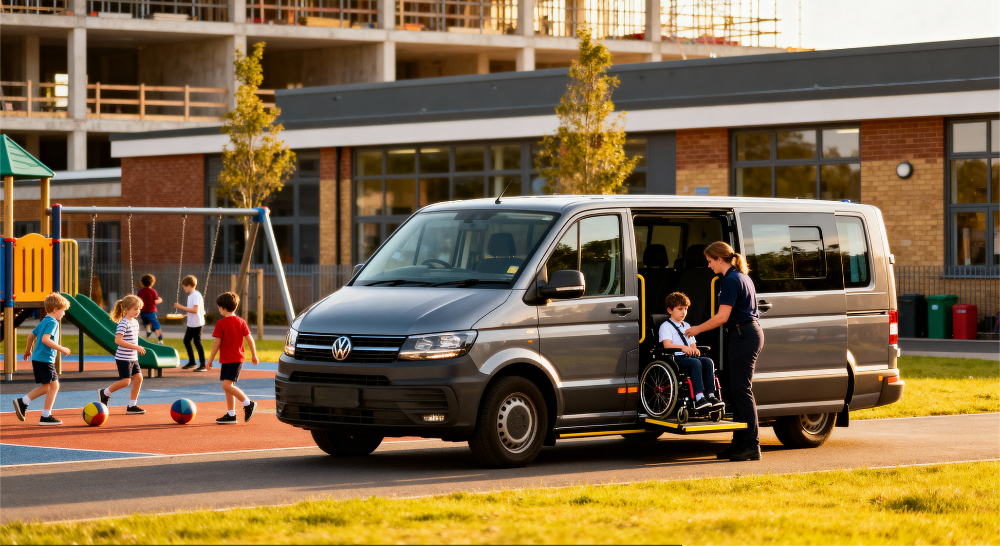
- Route planning and capacity: New or expanded sites change catchment travel patterns – operators will need to reassess vehicle mix (accessible minibuses, single-occupancy vehicles), route optimisation and scheduling.
- Tender and contract timing: Capital and organisation changes often trigger retendering or reshaping of contracts. Operators should monitor the plan closely to anticipate future tender requirements.
- Specialist needs and training: Refurbished specialist facilities and changing profiles of need (set out in the SEND Profile of Need and JSNA) mean drivers and escorts may require updating on handling, safeguarding and accessibility best practise.
What families and schools can expect
Families should see a strategic effort to increase local SEND places and improve local provision so fewer pupils require out-of-borough placements. As provision changes, parents can expect communications from schools and the council about eligibility, travel arrangements and any transitional measures. The plan aligns with the council’s Attendance Strategy and wider SEND priorities.
Practical steps for operators (recommended)
- Monitor the Special School Organisation Plan and linked documents (SEND Strategy, JSNA, Ordinarily Available Provision) for site-level detail and timelines.
- Review fleet accessibility and contingency capacity for single-occupancy or specialist journeys.
- Invest in route-optimisation tools and flexible scheduling to absorb changes in journey length or timing.
- Prepare for tender windows by keeping compliance, DBS checks, training records and accessible vehicle certifications up to date.
- Engage with schools and the council early – co-designing transport solutions reduce last-minute disruption and improves outcomes for pupils.
Final note
Hammersmith & Fulham’s plan is a clear signal that SEND provision is being prioritised locally – but those changes will ripple through school transport logistics. Proactive planning by operators, clear communication with families, and close monitoring of the council’s published strategies will ensure a smoother transition as new capacity comes online.
More details are available here
Let Jimac Cars provide safe and reliable transport for families and young people with SEND transport, making every journey easier and stress-free.